How to Spot Hidden Bathroom Mold Before It Spreads Too Far
What Hidden Bathroom Mold Looks Like and Why It Matters
Bathroom mold is often thought of as a surface problem. You see black spots on caulk or pink rings around the drain, and you clean them off. But the real trouble starts when mold moves behind tile, under fixtures, or inside wall cavities. This hidden growth can go on for months without any obvious signs, slowly damaging the structure of your bathroom and affecting the air you breathe. Understanding what to look for can help you catch it early, before the repairs become extensive.
Hidden bathroom mold thrives in the same conditions that surface mold does: moisture, warmth, and a food source like wood, drywall, or grout. The difference is that it has more room to spread because it is not exposed to light or regular cleaning. Once moisture seeps behind a tile or around a faucet, the mold can colonize an entire wall cavity without ever being seen. That is why knowing the indirect signs is so important.
Musty Odors That Do Not Go Away
The most common early warning is a persistent musty smell. If you walk into your bathroom and notice a damp, earthy odor even after you have scrubbed every visible surface, the source is almost certainly behind something. The smell comes from microbial volatile organic compounds (MVOCs) that mold releases as it grows. These compounds can travel through small gaps in tile grout, around pipes, or under baseboards.
Try to locate where the smell is strongest. Is it near the shower valve? Around the toilet base? Along the edge of the bathtub? The area with the most concentrated odor is usually where the hidden growth is worst. If the smell returns a few days after a thorough cleaning, that is another strong indicator that mold is living inside a wall or behind a fixture.
Water Stains and Discoloration on Walls or Ceilings
Water stains are a clear sign that moisture is moving through materials it should not be moving through. A yellow or brownish patch on the ceiling below a shower, or on the wall next to a tub, means water is penetrating the barrier. Where water goes, mold can follow. The stain itself may not be mold, but the damp conditions behind it are perfect for mold to start growing.
Look for stains that seem to grow or change shape over time. A small spot that slowly widens suggests ongoing leakage, not just an old spill that dried. Also check for bubbling or peeling paint. When paint blisters, it often means moisture is pushing from behind. That moisture will feed any mold spores already present in the wall cavity.
Changes in Tile or Grout Condition
Tile and grout are not waterproof forever. Grout can crack, crumble, or simply wear down over years of use. When grout is compromised, water can slip past the tile and soak into the backing material behind it. The same is true for caulk around the edges of a tub or shower pan. If the caulk is pulling away or has gaps, water can run behind the fixture and sit there.
Inspect your grout lines regularly. If you see any that are missing, soft, or discolored in a way that cleaning does not fix, water is getting through. The mold will start on the back side of the tile and then spread outward. By the time you see it on the surface, the colony behind the tile may already be large. Similarly, if you press on a tile and it feels loose or moves slightly, that is a strong sign that the backing has rotted. Mold is almost certainly present in that rotted material.
Unexplained Allergies or Respiratory Symptoms
Mold spores are tiny and easily become airborne. When hidden mold grows inside a wall or under a floor, the spores can enter the bathroom air through vents, cracks, or the tiniest gaps around pipes. People who are sensitive to mold may start to notice symptoms like sneezing, itchy eyes, a stuffy nose, or a scratchy throat when they use the bathroom. These symptoms often clear up when they leave the room.
If you or someone in your household has started experiencing these issues and the bathroom has had moisture problems in the past, hidden mold is a likely cause. The symptoms are not proof by themselves, but they are a strong reason to investigate further. Pay attention to whether the symptoms are worse after a hot shower, when humidity is highest and spore release may increase.
How to Check Without Breaking Open the Wall
You do not have to tear out tile to get a sense of what is happening behind it. There are a few low-invasive ways to check. One is to use a moisture meter, which you can buy at a hardware store. These devices have pins or a sensor pad that you press against the tile or wall surface. They measure the moisture content of the material underneath. If the reading is significantly higher in one area than in others, moisture is trapped there, and mold could be growing.
Another method is to look at the baseboards and trim. If the wood is swollen, soft, or darker than usual, water has been sitting against it. You can also gently probe the grout with a toothpick or a small screwdriver. If it crumbles easily, it is no longer sealing the tile. Finally, check the ventilation in the bathroom. If the room stays humid for hours after a shower, moisture will condense on every surface and slowly work its way into joints and seams, feeding hidden growth.
What Hidden Mold Means for Your Bathroom and Your Health
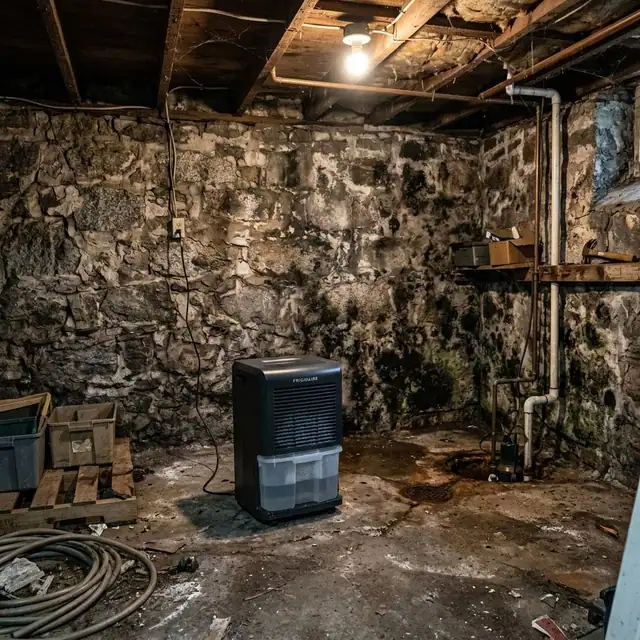
Hidden bathroom mold is not just a cosmetic problem. Over time, it can weaken the structure of your bathroom. The materials behind tile, like cement board or drywall, can rot. Wood studs can decay. Even metal fixtures can corrode if they stay wet. The result is that what starts as a small leak can turn into a major repair job that involves replacing walls, subflooring, and fixtures.
For your health, the risks depend on the type of mold and your sensitivity. Some molds produce allergens or irritants. Prolonged exposure in a small, enclosed space like a bathroom can make symptoms worse. Children, elderly people, and anyone with asthma or a compromised immune system are more vulnerable. Even if you feel fine now, hidden mold can gradually affect the air quality in your home.
When to Call for Professional Help
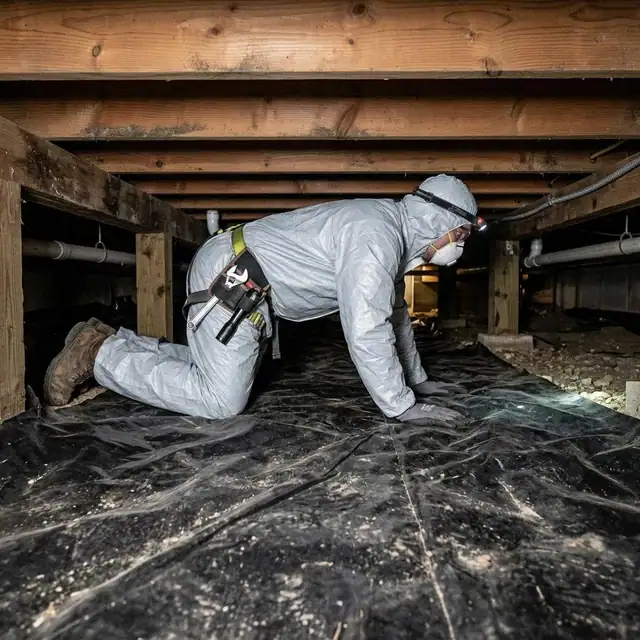
If you have found evidence of hidden moisture or suspect mold behind a wall, the next step is to decide whether you can handle it yourself. Small areas of surface mold can be cleaned with a proper mold removal product. But once mold is inside a wall cavity, it is very difficult to remove completely without opening up the area. The contaminated materials often need to be cut out and replaced. Trying to seal over them or treat them from the outside usually does not work because the mold will continue to grow in the damp environment.
A professional service like Mold Removal Boston Pros can assess the situation with specialized equipment, including moisture meters, borescopes, and air sampling tools. They can locate the full extent of the growth and determine the best way to remove it. They also address the underlying moisture problem, so the mold does not return. For anyone dealing with persistent hidden bathroom mold, consulting a remediation company is a practical step. You can find more information about the process and what to expect by visiting moldremovalboston.org.
If the mold problem is caught early, the repair can be relatively straightforward. But if it has been spreading for a long time, the cost and disruption can be significant. That is why paying attention to the subtle signs matters. A musty smell, a water stain, a loose tile, or unexplained allergy symptoms are all worth investigating. They can save you from a much larger problem down the road.
Preventing Hidden Mold Before It Starts
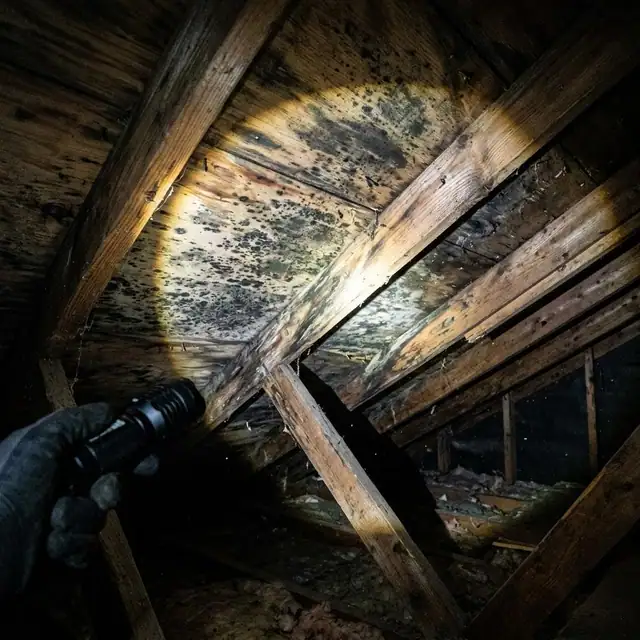
The best approach is to keep moisture from getting behind surfaces in the first place. That means maintaining good grout and caulk, fixing leaks as soon as they appear, and making sure the bathroom has adequate ventilation. A properly installed exhaust fan that vents to the outside can make a huge difference. Run it during and for at least 20 minutes after every shower. If your bathroom does not have a fan, consider opening a window or using a dehumidifier.
Also, be careful about what you store in the bathroom. Towels, bath mats, and toiletries can trap moisture against surfaces. Keep them dry and off the floor. Wipe down the shower walls and doors after use to reduce the amount of water that sits on tile surfaces. These small habits reduce the humidity load and make it harder for mold to get a foothold anywhere, including behind the visible surfaces.
If you are remodeling a bathroom, talk to a contractor about using mold-resistant drywall and waterproofing membranes behind the tile. These materials add cost, but they provide a much better barrier against hidden moisture. In older homes, where the original construction may not have these protections, staying vigilant is even more important. The team at Mold Removal Boston Pros can offer guidance on what to look for and how to keep your bathroom mold-free. They focus on the full picture: visible growth, hidden moisture, damaged materials, and ventilation. Their approach is detailed on moldremovalboston.org, which explains how they handle each aspect of the problem.
Hidden bathroom mold is not something to ignore. It can stay out of sight for a long time, but it rarely stays small. By knowing the signs and acting on them quickly, you can protect both your home and your health. The key is to treat any evidence of hidden moisture seriously, even if you cannot see the mold itself. With the right attention, you can keep your bathroom safe and sound for years to come.